

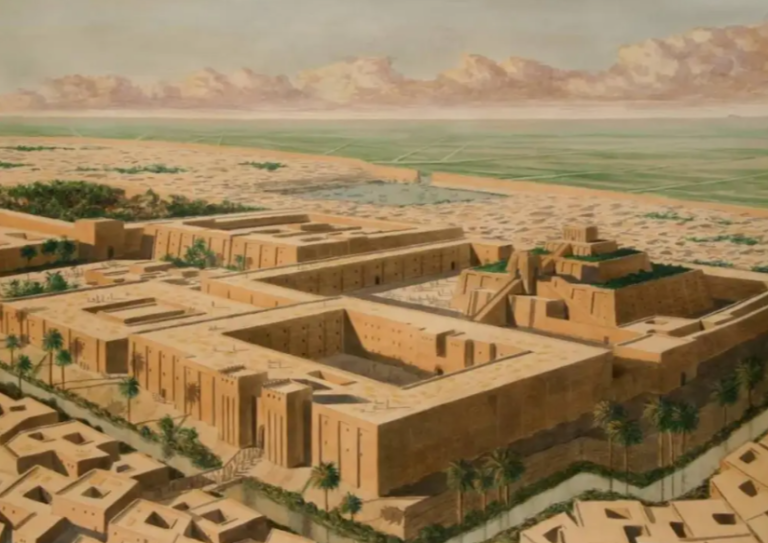
When people imagine the ancient world, they often picture silent ruins or artifacts locked away behind museum glass. But many of the planet’s oldest cities are anything but frozen in time — they’re busy, noisy, and filled with everyday routines.
Roads first laid out thousands of years ago still guide commuters to work. Markets hum beside historic temples. Families gather, shop, pray, and celebrate in the same neighborhoods where early civilizations once built their lives.
Rather than treating these places as relics of the past, it’s worth seeing them for what they truly are: living cities where history and modern life exist side by side, continuing a story that has stretched across centuries.
#1 Plovdiv, Bulgaria
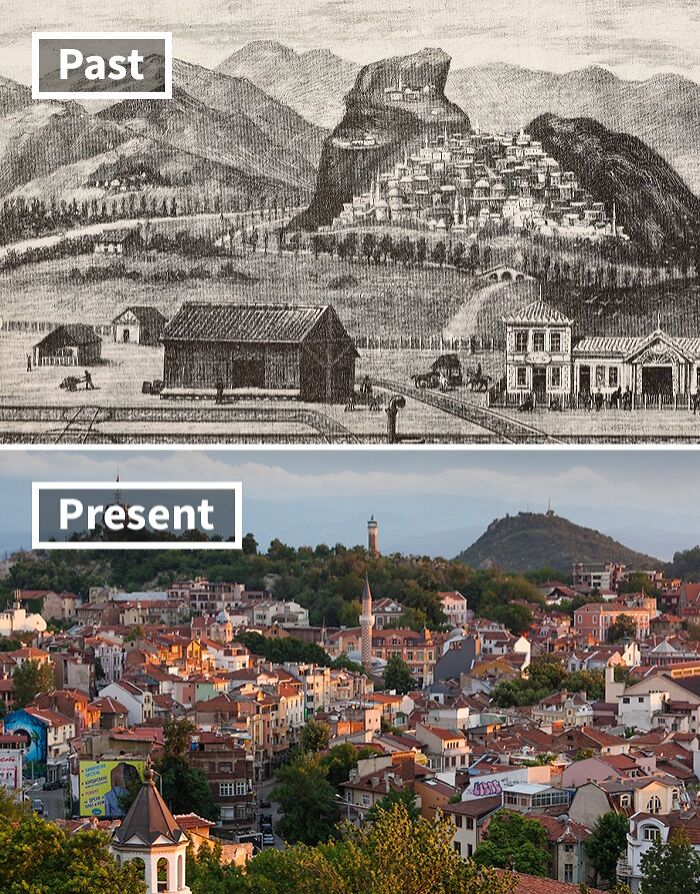
Perched on gentle hills above the Maritsa River, Plovdiv shows its age in the very way the city unfolds. Layers of history surface right in the middle of ordinary daily routes, reminding residents that the past is never far away. The settlement is believed to be more than 8,000 years old, shaped over time by Thracian, Macedonian, and Roman chapters.
During the Roman period, the city — then known as Trimontium — grew into a lively provincial hub filled with forums, theaters, and stone streets built for public life. Today, that same framework still influences where people meet, wander, and gather.
Modern Plovdiv runs on culture just as much as history. Art galleries, festivals, and creative spaces weave naturally through centuries-old surroundings. Roman venues continue to host performances, Ottoman-era mosques rise near colorful Bulgarian Revival homes, and fragments of ancient walls appear between houses like quiet surprises during an everyday walk.
#2 Athens (Greece)
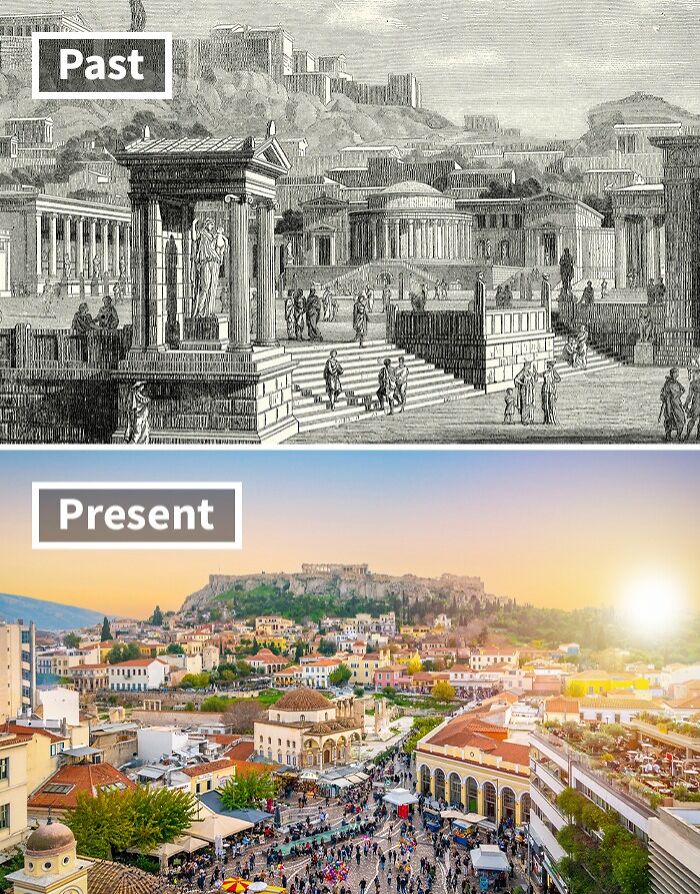
Few places make history feel as immediate as Athens. The city’s story stretches back roughly five millennia, with generations building on the same ground again and again. Instead of replacing what came before, each era left its mark, creating a landscape where civilizations seem stacked on top of one another.
Ancient temples crown the heights of the Acropolis, while Roman structures, Byzantine churches, Ottoman influences, and modern neighborhoods spread out below. The result isn’t a single moment in time, but a living collage of many.
What truly brings Athens to life is how naturally those layers blend into everyday routines. Cafés fill pedestrian streets beneath towering ruins, markets stay lively well into the evening, and wherever you walk, the Acropolis is never far from sight.
Here, history doesn’t sit behind barriers — it simply exists alongside the rhythm of ordinary city life.
#3 Damascus, Syria
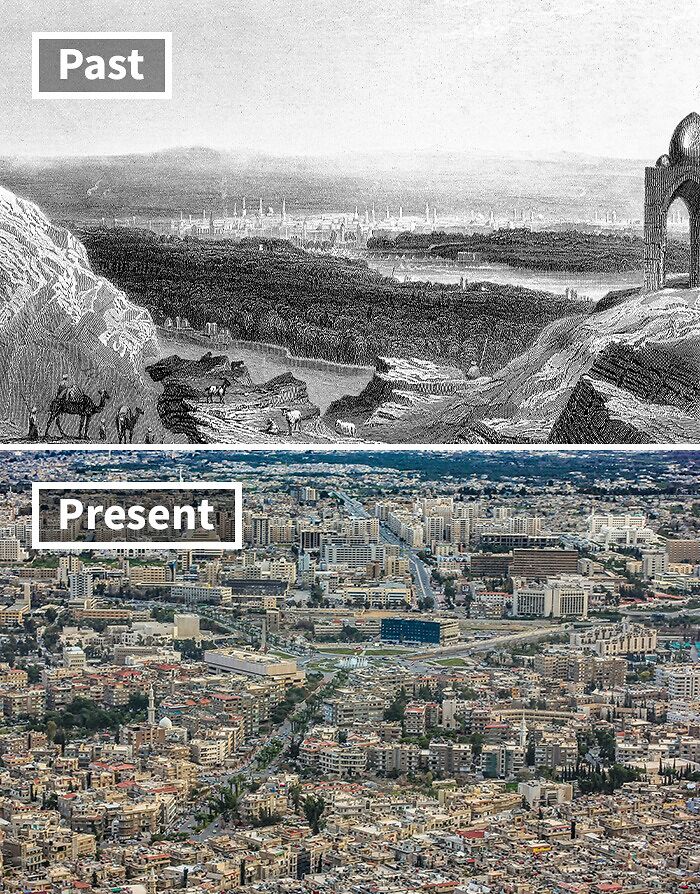
Understanding how ancient capitals once functioned helps make sense of Damascus today. Often described as one of the longest continually inhabited cities on Earth, its historic core has guided daily life for thousands of years.
Inside the old quarters, the past reveals itself in small details. Narrow lanes funnel pedestrians past heavy wooden doors, shaded courtyards, and tiny storefronts. The same street patterns that shaped trade and community centuries ago still influence how residents shop, visit friends, and make their way home.
Yet Damascus is not preserved like a museum. In recent years, some families have moved toward newer districts, leaving parts of the historic center quieter than they once were. Certain blocks feel changed — fewer people living above the shops, more buildings sitting still between bursts of activity.
Even so, everyday life goes on. Cafés reopen, conversations stretch late into the evening, and routines continue, layered with the realities of the present. In Damascus, history is never gone — it simply lives side by side with whatever comes next.
#4 Aleppo, Syria
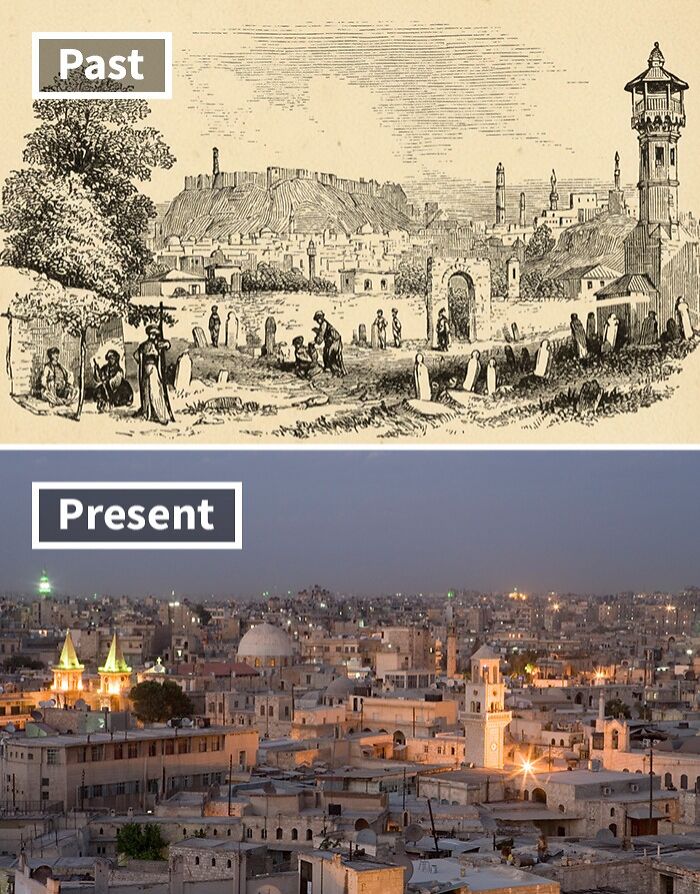
Aleppo’s deep history can still be felt in the way the city gathers around its ancient center. Settlements here stretch back thousands of years, making it one of the world’s longest-lived urban spaces. Generations have walked the same arteries, traded in the same districts, and built homes within a layout shaped long before modern borders existed.
But that long story also includes very recent hardship. Large parts of the historic quarters suffered heavy damage during years of conflict, and rebuilding has moved forward unevenly, sometimes one street at a time. Periodic instability continues to interrupt attempts to settle back into normal rhythms.
Even so, Aleppo remains a working city. Shops lift their shutters, craftsmen return to family trades, and people navigate routes laid down centuries ago. The persistence of daily life — buying bread, opening stalls, greeting neighbors — quietly pushes back against the weight of history.
#5 Byblos, Lebanon
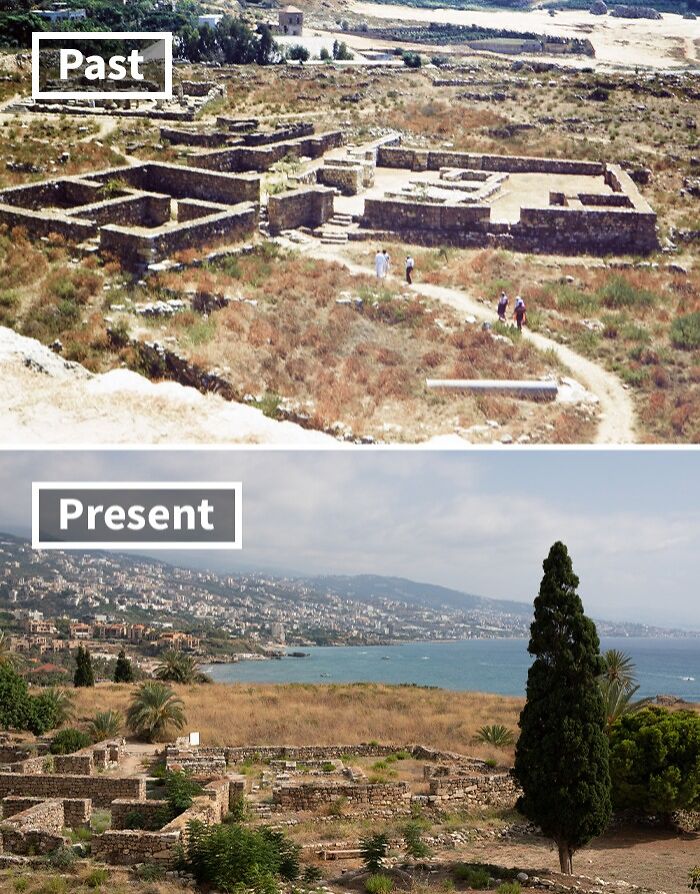
Byblos is one of the world’s oldest coastal settlements, with daily life unfolding along the same Mediterranean shoreline that supported communities thousands of years ago. Few places make continuity feel so visible.
Over time, the city grew into an important Phoenician port, tied to maritime trade, cedar exports, and the early spread of the alphabet. Today, that legacy still shapes the atmosphere. The old harbor — once crowded with merchants — now hosts fishing boats, cafés, and slow evening walks, while layers of stone from different civilizations remain woven into the town.
Although recognized internationally for its heritage, Byblos is not treated like a sealed monument. Life happens inside it. In the summer, the Byblos International Festival transforms ancient surroundings into open-air stages, bringing modern music into spaces carved by deep history. The blend feels effortless, as if gathering here is simply what the city has always done.
That sense of normalcy exists alongside the pressures of the region. Periodic unrest has, at times, edged close enough to remind residents how fragile calm can be.
Still, most days are defined by ordinary movement — shopkeepers opening doors, visitors wandering between ruins, conversations drifting across the waterfront — all part of a place where the past and present share the same streets.
#6 Faiyum, Egypt
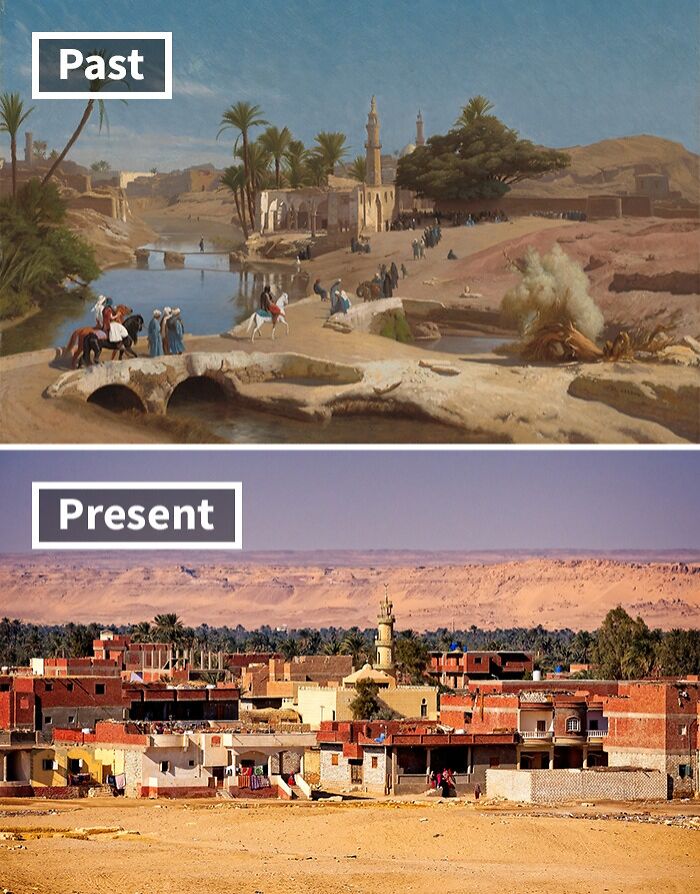
Faiyum’s story begins long before it carried its modern name. Settlements formed here thousands of years ago, while even older traces of hunter-gatherer communities mark the surrounding region. Over time, careful management of waterways and fertile land turned the area into one of Egypt’s earliest enduring urban landscapes.
In antiquity, the city became known as Crocodilopolis, a center of worship devoted to the god Sobek. Control of water remained the key to survival, with canals and irrigation networks allowing communities to thrive through changing rulers and eras.
Today, life in Faiyum still turns around the same essentials. Fields stretch toward the lake, markets hum with trade, and fishing boats dot the shoreline. People move through terrain shaped by decisions made millennia ago, often encountering history not as distant ruins, but as part of the backdrop to ordinary routines.
Here, the past feels practical — something built into the land itself.
#7 Beirut, Lebanon
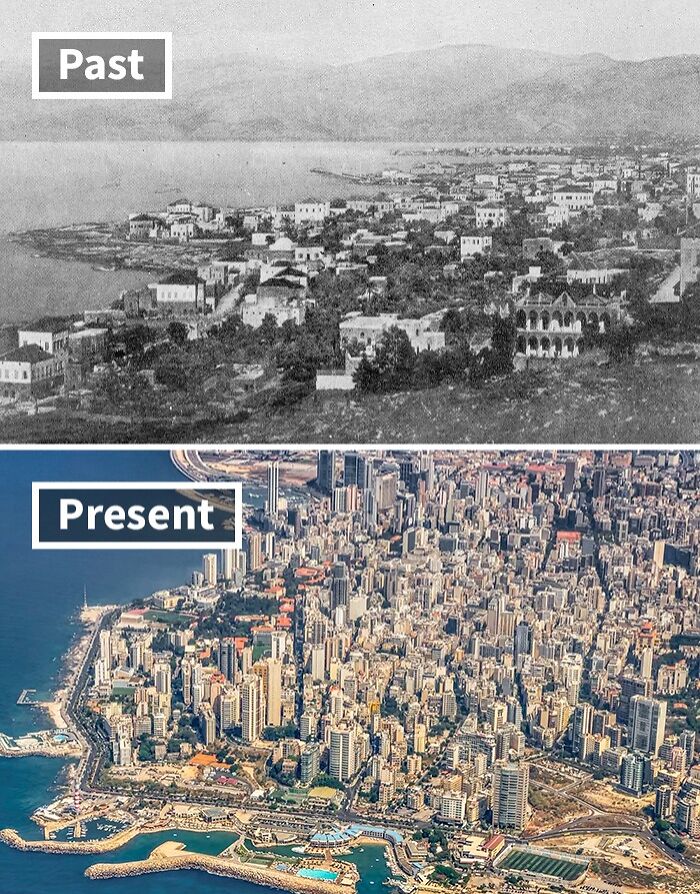
Beirut doesn’t immediately announce itself as ancient. Much of its past lies beneath the pavement, layered under busy streets and modern buildings rather than displayed as isolated monuments. Yet people have lived here for more than five thousand years, rebuilding again and again on the same ground.
That long continuity explains the city’s character. Trade, empires, and repeated waves of destruction have come and gone, but Beirut has a habit of renewing itself. History is embedded in foundations and fragments below eye level, not confined to one preserved quarter.
Recent tensions have added new uncertainty, but daily routines persist. Cafés spread onto sidewalks, bookstores and galleries reopen their doors, and each evening the Corniche draws walkers and fishermen toward the water.
What defines Beirut is its public life. Conversation, culture, and argument spill into the streets, giving the city an energy that feels active rather than archived. After thousands of years, it remains a place people inhabit fully — not a relic, but a living environment still writing its next chapter.
#8 Varanasi (India)
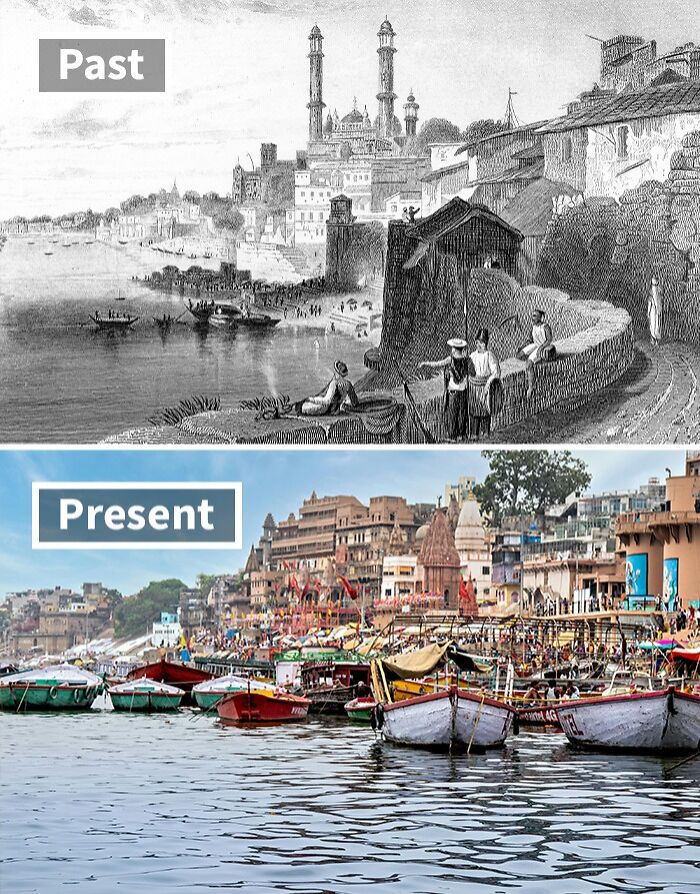
Varanasi is often described as one of the oldest continually inhabited cities in the world, with roots stretching back more than three millennia. From the beginning, religion, learning, and trade grew together here, shaping a place where spiritual life still guides the daily rhythm.
That continuity is most visible along the ghats — the long flights of stone steps descending to the Ganges. From sunrise to late evening, these riverbanks remain in motion. Morning prayers begin at first light, funeral rites unfold nearby, and as night falls, lamps flicker during the Ganga aarti, echoing ceremonies practiced for generations.
What makes Varanasi feel so intense is the lack of distance between ritual and routine. Boats pass quietly by cremation fires, vendors set up stalls beside worshippers, and narrow lanes stream constantly toward the water. Nothing is hidden away; everything happens in the open.
Here, ancient belief is not preserved behind glass. It continues to organize ordinary life, day after day.
#9 Jerusalem (Israel/Palestine)
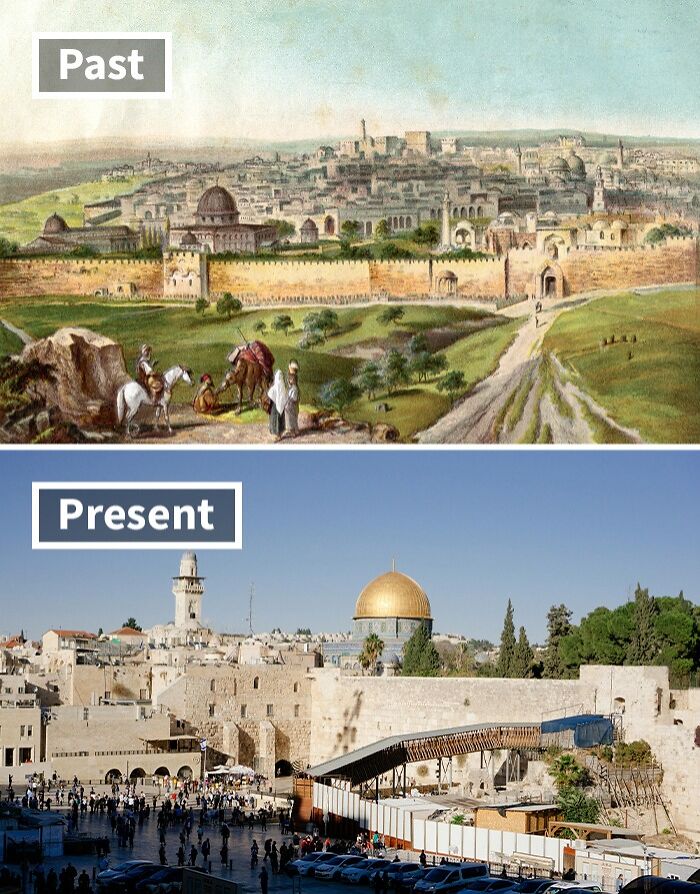
Jerusalem can feel like multiple eras compressed into a single walk. Written and archaeological records reach back thousands of years, and each period has left structures, streets, and meanings layered closely together.
Nowhere is that overlap clearer than inside the Old City’s walls. Sacred landmarks rise above everyday movement, and people pass sites revered in Judaism, Christianity, and Islam on the way to work, prayer, or shopping. The skyline is monumental, but the streets are intimate, rebuilt and reused generation after generation.
This tight geography is also part of why Jerusalem carries such political weight. Competing national and religious claims focus intensely on the same neighborhoods, giving even ordinary routes a global significance.
Yet daily life continues. Markets open, conversations spill into public squares, and residents weave through crowded lanes as they always have. In Jerusalem, routine persists within history rather than outside it — a city lived in, debated, and renewed every day.
#10 Jericho, Palestine
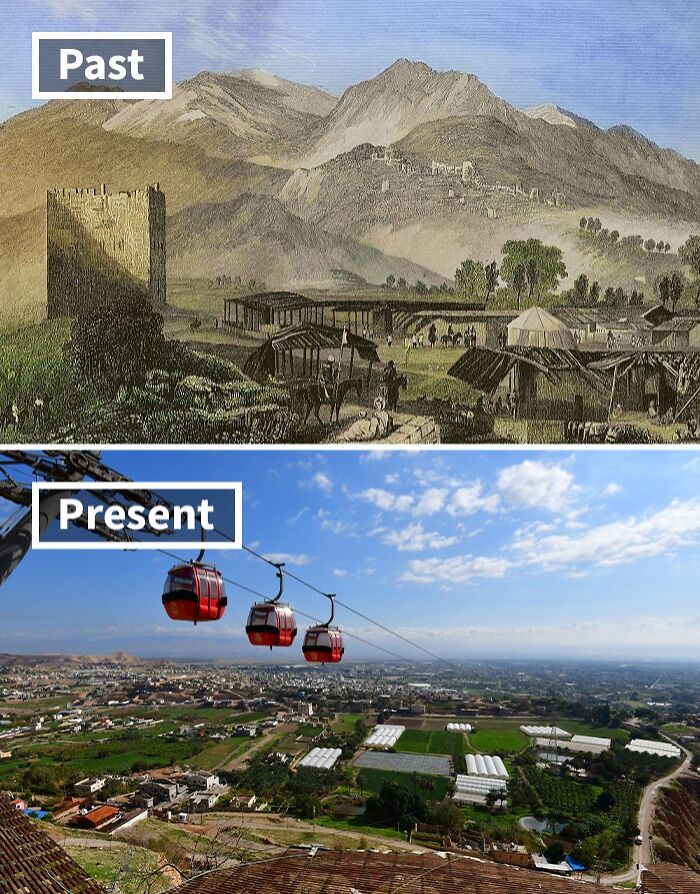
Jericho’s story stretches back more than ten thousand years, making it one of the earliest known urban environments on Earth. Early communities built stone defenses, managed precious water sources, and created systems that allowed people to remain here across vast stretches of time.
That inheritance is widely acknowledged today. Ancient mounds and sacred hills stand as reminders of how long humans have gathered in this oasis, a place shaped as much by natural springs as by politics or empire.
Across centuries, Jericho absorbed waves of conquest, trade routes, and religious meaning, yet its basic identity endured: a green pocket of cultivation in a harsh landscape. Date palms, farms, and irrigation have always been central to survival.
Those same patterns continue, though under more fragile conditions. Restrictions and security realities affect how residents travel, work, and maintain livelihoods. Even so, markets operate, fields are tended, and pilgrims climb nearby hills while families move through familiar routines.
In Jericho, ancient foundations remain visible — not only in ruins, but in the persistence of daily life.
0 Comments