

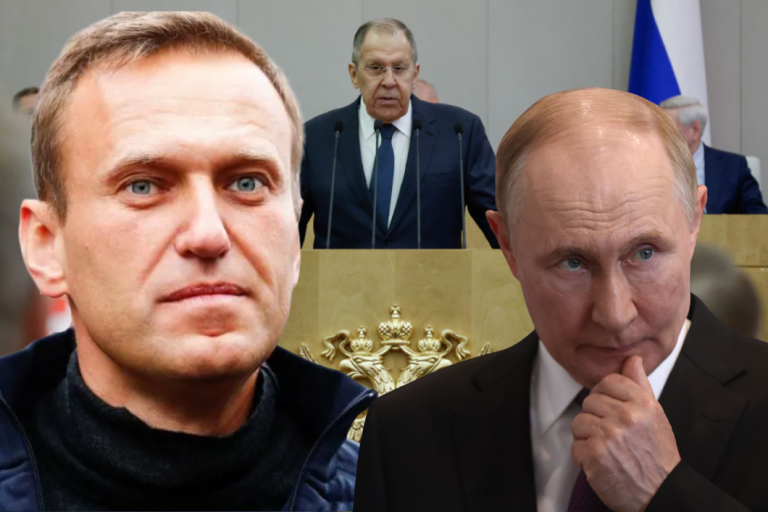
Two years after the death of Russian opposition figure Alexei Navalny inside a remote Arctic penal colony, Western governments say they now believe they know how he was killed — and who was responsible.
In a coordinated statement delivered at the Munich Security Conference, the United Kingdom and several European allies announced that laboratory analysis found traces of epibatidine, a rare and extremely potent toxin associated with certain species of poison dart frogs.
British Foreign Secretary Yvette Cooper said the conclusion drawn by investigators was stark.
“Only the Russian state had the means, the motive and the opportunity,” she said.
Russia has rejected the accusation, calling it an attempt to distract from Western political problems.
What investigators say they found
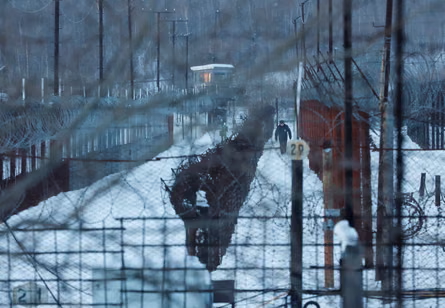
According to the joint statement issued by Britain, France, Germany, Sweden and the Netherlands, biological material connected to Navalny contained the substance.
Epibatidine is not something that would normally appear in the human body. The toxin is found naturally in tiny quantities in wild frogs in parts of South America and is considered extraordinarily difficult to obtain. Specialists say it affects receptors in the nervous system and can trigger paralysis, seizures, respiratory collapse and death.
Officials argue there is no plausible accidental route for it to have appeared in a high-security Russian prison.
The UK has notified the Organisation for the Prohibition of Chemical Weapons, saying the alleged use would violate international commitments banning chemical weapons.
A long history of alleged poisoning
For many observers, the claim fits a pattern.
In 2020, Navalny survived another poisoning attempt involving the nerve agent Novichok. He was treated in Germany before returning to Russia, where he was promptly arrested and later sentenced on charges widely condemned by Western governments as politically motivated.
He died on 16 February 2024, aged 47.
Russian authorities said at the time that he had taken a walk, felt unwell and collapsed. Supporters immediately rejected that explanation.
Navalny’s family says this confirms their fears
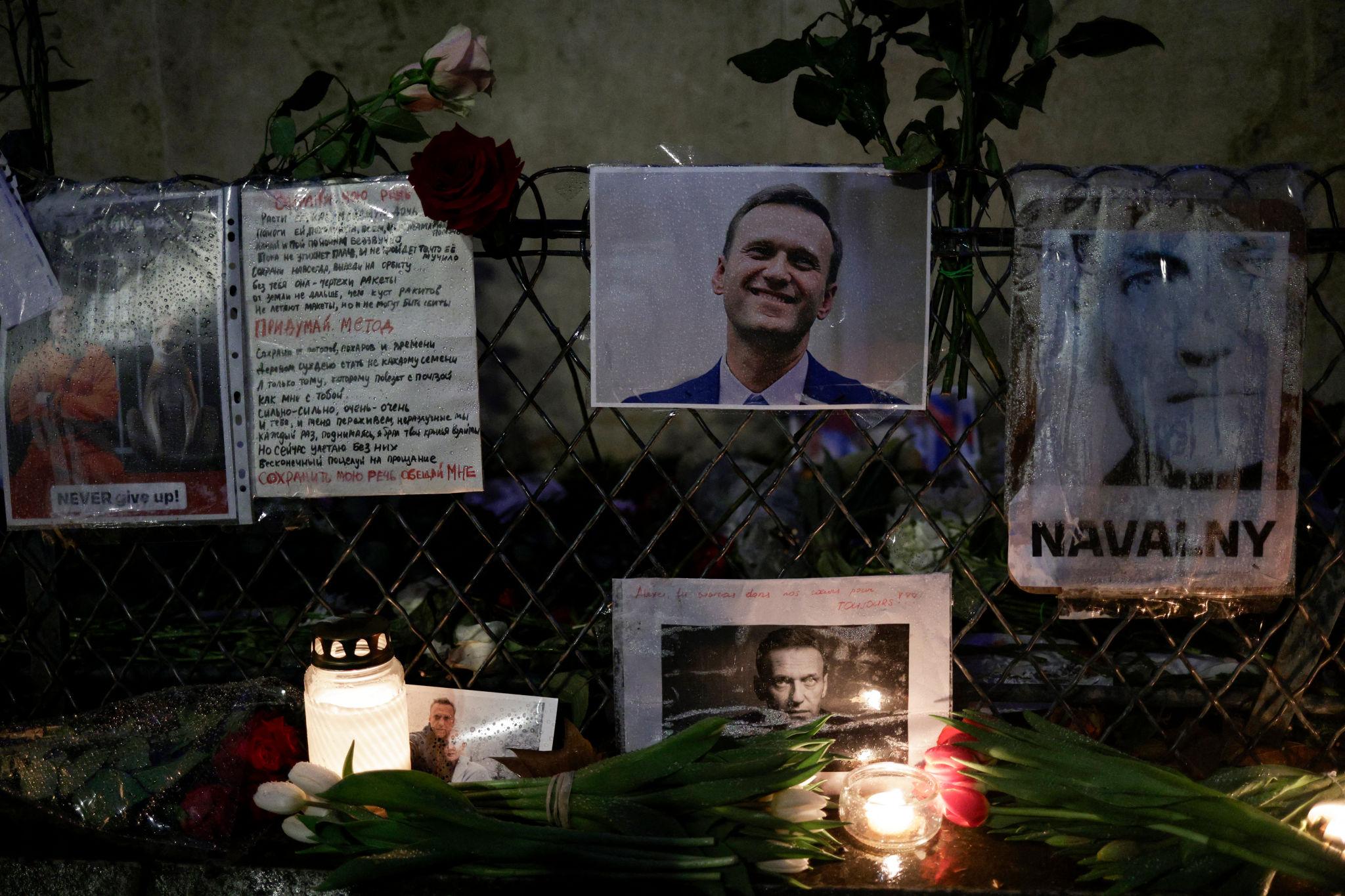
Navalny’s widow, Yulia Navalnaya, has long insisted her husband was murdered.
After the announcement, she said the findings validated what she believed from the beginning.
“I was certain from the first day that my husband had been poisoned, but now there is proof,” she said, thanking European states for what she described as two years of investigative work.
Moscow pushes back
The Kremlin has dismissed the accusation outright.
State media quoted officials describing the claims as a political information campaign. Vladimir Putin has rarely spoken Navalny’s name publicly. Following his death, he referred only to the passing of “a person,” calling it a sad event.
Russia has repeatedly denied involvement in previous poisonings of critics and opponents.
Why this matters internationally
A formal attribution by multiple European governments raises pressure for further sanctions and diplomatic action. It also deepens the already severe rupture between Moscow and Western capitals.
Beyond geopolitics, the accusation reinforces Navalny’s status among supporters as a symbol of resistance — a man who returned to his country knowing the risks and continued challenging the political system from behind bars.
What happens next?
Officials say additional technical findings could be shared with international watchdogs. Whether that leads to legal consequences is far less certain.
For now, the divide remains absolute:
-
Western governments say the toxin could only have come from the Russian state.
-
Moscow says the accusation is fabricated.
What is undeniable is this: two years later, the debate over how Alexei Navalny died is still shaping global politics.
0 Comments