


Ever wonder why, when you stroll through the fluorescent-lit aisles of your local Walmart, you don’t see a friendly butcher in a blood-stained apron carving up a side of beef? You see plenty of plastic-wrapped styrofoam trays and “case-ready” pork chops, but the art of the in-store butcher is suspiciously absent.
Well, grab your tin foil hats (and maybe a snack), because the reason for the missing meat cutters isn’t just about “efficiency” or “cost-cutting.” It’s actually the result of one of the most ruthless corporate power moves in American history. We’re going back to the year 2000—a time of Y2K scares, frosted tips, and a massive showdown in Jacksonville, Texas, that changed the way you buy groceries forever.
The Small Town Revolution
Picture this: It’s February 2000. In the small town of Jacksonville, Texas, seven guys working in the meat department of a Walmart Supercenter decided they’d had enough. They weren’t asking for the moon; they just wanted a seat at the table. They held a vote to join the United Food and Commercial Workers (UFCW) union.
Against all odds, they won.
By a vote of 7 to 3, these meat cutters became the first group of workers in any U.S. Walmart to successfully unionize. For a brief moment, it looked like David had actually landed a solid punch on Goliath’s jaw. The “Jacksonville Seven” were heroes to the labor movement, and the news sent shockwaves all the way to Bentonville, Arkansas.
But if you know anything about Walmart, you know they don’t exactly hand out participation trophies for unionizing.
The “Nuclear Option”
Most companies, when faced with a small unionized department, would head to the bargaining table. They might grumble, they might drag their feet, but they’d talk. Walmart, however, decided to choose violence (the corporate kind, anyway).
Just two weeks after the vote was certified, Walmart made a staggering announcement. They weren’t just closing the meat department in Jacksonville. They were getting rid of meat cutters in 180 stores across Texas, Missouri, Oklahoma, Kansas, and Arkansas.
Their official reason? They claimed they were transitioning to “case-ready” meat—pre-packaged stuff that arrives at the store already wrapped in plastic. They argued it was a move toward modernization and food safety. But the timing? Let’s just say it was “convenient” in the same way a blizzard is convenient for someone who hates shoveling their driveway.
By eliminating the job title of “Meat Cutter” entirely, Walmart effectively vaporized the union. You can’t have a union for a job that no longer exists. It was the ultimate “If I can’t play, I’m taking my ball and going home” move, except the “ball” was the livelihoods of thousands of skilled tradespeople.
The Butterfly Effect of the Meat Counter
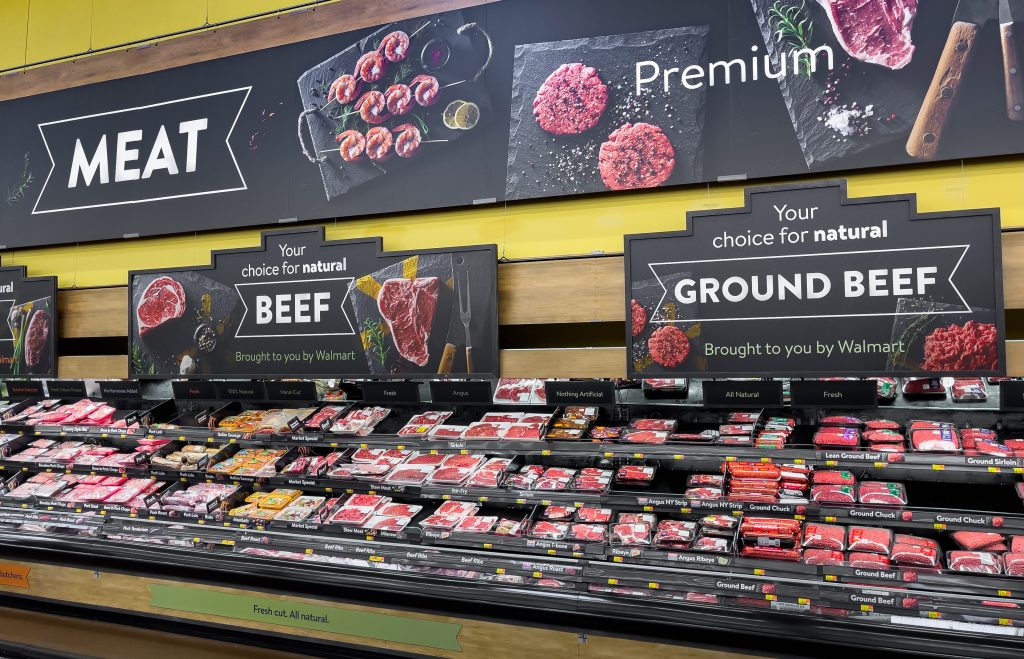
This wasn’t just a local spat; it was a warning shot fired across the bow of the entire American workforce. Walmart effectively told its millions of employees: “If you organize, we will literally restructure the entire company just to stop you.”
The legal battles that followed lasted years. The National Labor Relations Board (NLRB) eventually ruled that Walmart had acted illegally by refusing to bargain with the union and by making a unilateral change to the department. But in the world of mega-corporations, a legal slap on the wrist is often just the cost of doing business.
By the time the courts caught up, the damage was done. The meat cutters were gone. The skill of breaking down a carcass was replaced by the skill of opening a cardboard box. The union’s momentum was killed stone-dead, and Walmart has remained almost entirely union-free in the U.S. ever since.
Why This Matters Today (Besides Your Steak)
You might be thinking, “Hey, I like my pre-packaged ribeye, what’s the big deal?”
The “Meat Cutter Massacre” of 2000 is a masterclass in how modern retail works. It’s why you see self-checkout kiosks replacing cashiers and apps replacing customer service reps. It’s the “Automation vs. Organization” playbook. When workers start to realize their collective value, companies often find a way to make those workers obsolete.
The Jacksonville meat cutters weren’t just fighting for better pay; they were fighting for the dignity of a trade. When Walmart switched to case-ready meat, they didn’t just get rid of unions—they got rid of the need for skilled labor in that department. You don’t need a butcher with years of experience to put a sticker on a package of ground beef. You just need someone who can follow a diagram.
This “deskilling” of work is a trend that started in the meat aisle but has since spread to almost every corner of the economy. It’s about control. A skilled worker is hard to replace; a “logistics associate” who moves boxes is a line item on a spreadsheet.
The Ghost of Jacksonville
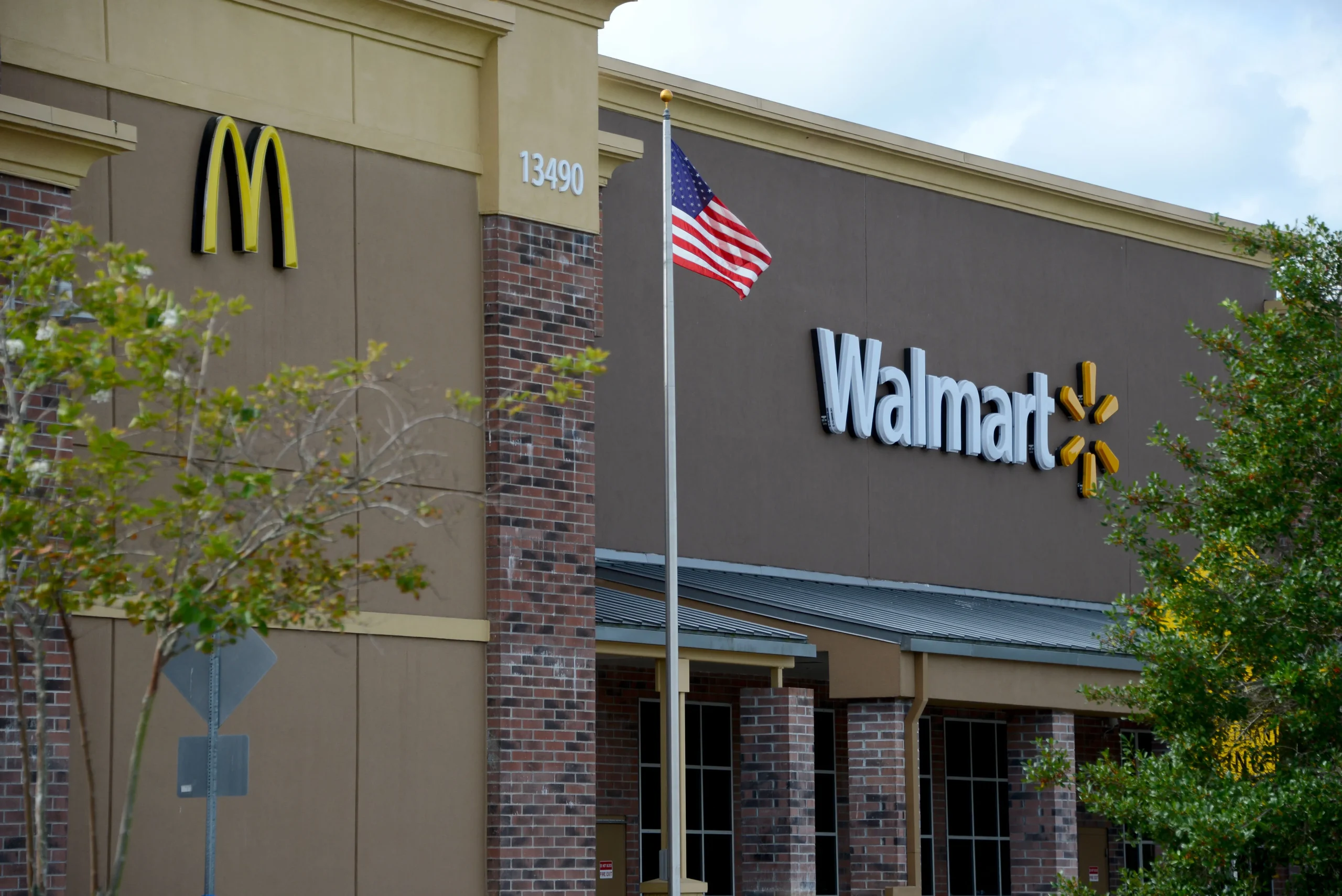
Today, the Jacksonville Walmart is just another store. The seven men who started the fire are footnotes in labor history. But every time you walk past those sterile, refrigerated shelves, you’re looking at the aftermath of a war.
Walmart’s decision in 2000 set a precedent that still looms over the “Antiwork” movement and the recent wave of unionization efforts at places like Starbucks and Amazon. It proved that if a company is big enough, they don’t have to follow the rules of the game—they can just change the game entirely.
So, the next time you’re picking up a pack of chicken thighs, take a second to remember the Jacksonville Seven. They dared to ask for a voice, and in response, the biggest retailer in the world decided that nobody should ever cut a steak in-store again.
It makes you wonder: as technology makes more jobs “replaceable,” how far will companies go to keep the power in their own hands?
What do you think? Was Walmart’s move a genius business pivot or a cold-blooded move to crush the little guy? Let us know in the comments!
Source: Reddit
In 2000 Walmart got rid of in store Meat Cutters when workers decided to unionize in a Jacksonville Texas Supercenter.
by u/laybs1 in antiwork
0 Comments