

Imagine waking up on a Tuesday morning, pouring your third cup of coffee, and realizing the “village” raising your child just walked out the door. For parents in San Francisco, this isn’t a stress dream. It’s today’s chaotic reality.
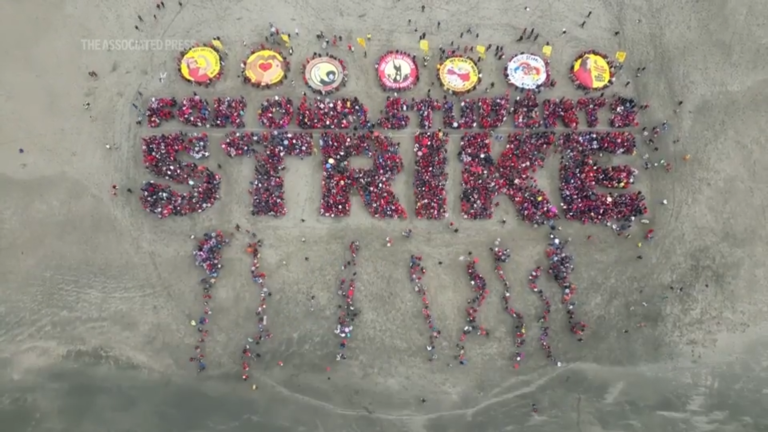
This week, the streets of the Golden City grew louder while classrooms fell silent. A massive teachers’ strike kicked off and left about 50,000 students with nowhere to go. Thousands of parents now wonder how they’ll find last-minute childcare.
Think your commute is stressful? Try figuring out what to do with a second-grader when you have a 9:00 AM Zoom call and the school district just paused education.
Here is what you need to know about the San Francisco teacher strike that flipped the city upside down.
The “Scramble” is Real
When we talk about 50,000 students, the scale can feel abstract. So picture this: you could fill Oracle Park, where the Giants play, and still have kids lining the streets toward the Golden Gate Bridge.
For parents, the strike didn’t arrive as a simple notification. It exploded like a logistical grenade. Group chats lit up instantly. Families started forming emergency micro-pods in living rooms. Local libraries became the hottest clubs in town.
“I support the teachers, I really do,” one San Francisco mom wrote in a viral Reddit thread in the r/antiwork community. “But my job doesn’t care that my seven-year-old is trying to see if the cat fits inside the air fryer. We are drowning.”
Why Are the Teachers Walking? (Hint: The Math Isn’t Mathing)
You might ask: why now? Why walk out and leave 50,000 kids at home?
Take one look at the price of living in San Francisco and you’ll understand.
The San Francisco Unified School District has wrestled with this crisis for years. Teachers want better pay and safer working conditions. Most of all, they want to afford the city where they teach.
San Francisco ranks among the most expensive places in the world. A tiny fixer-upper can cost more than a million dollars. Even lunch can feel like a financial decision.
For many educators, the numbers simply refuse to work. Some commute two hours each way to find affordable housing. Others juggle second or third jobs just to survive.
This strike isn’t about a small raise. Teachers say the future of the profession in the city is on the line.
The Picket Line Vibes
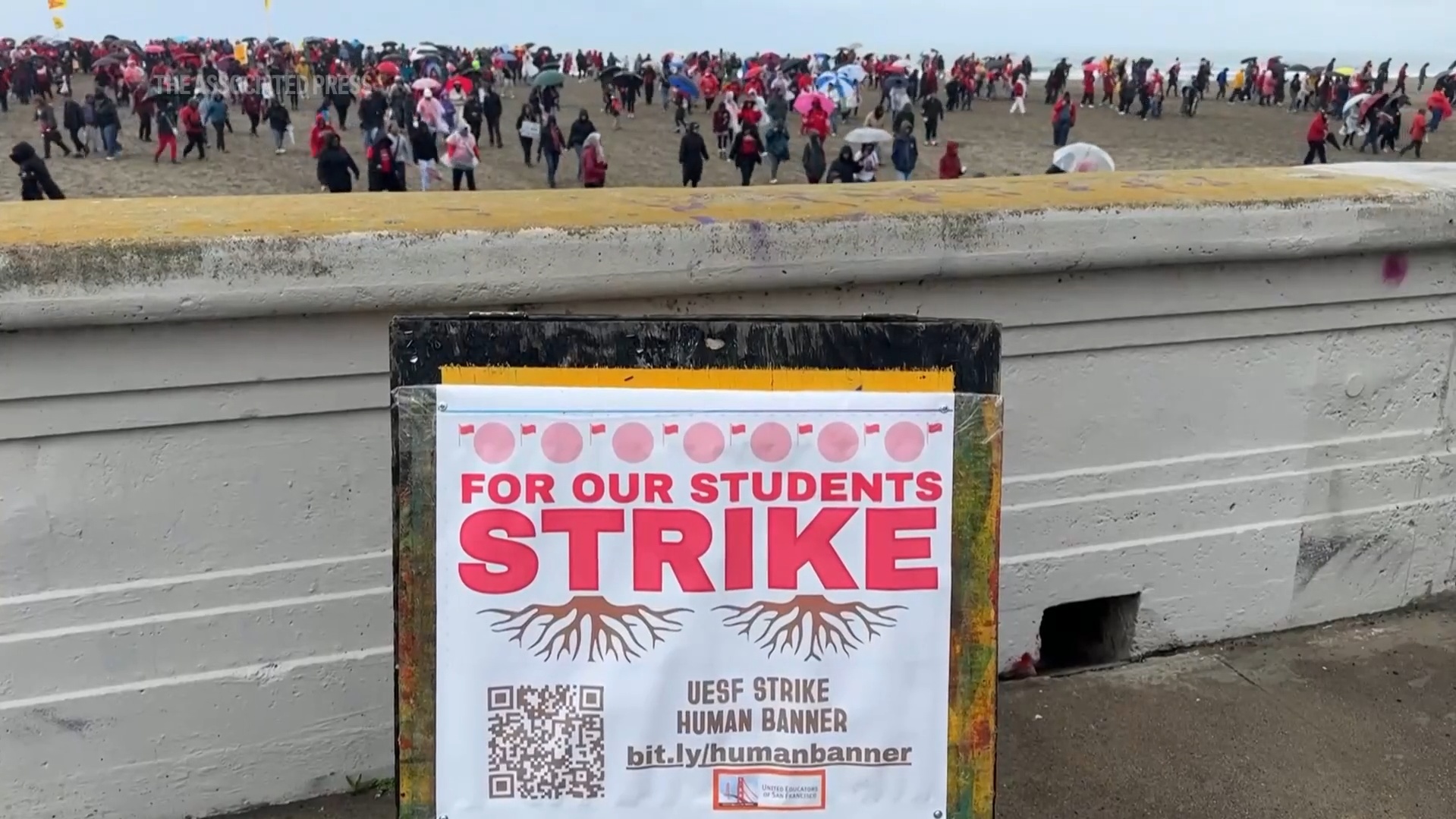
Walk past the picket lines and you’ll see more than anger. You’ll see exhaustion mixed with determination.
Teachers showed up in red and carried signs that ranged from serious to sarcastic. One read, “I Can’t Teach If I Can’t Eat.” Another joked, “I’ve Seen Better Transitions in a Kindergartner’s Essay Than This District’s Management.”
Many educators say they’ve heard “do it for the kids” for years. They feel leaders used that phrase to silence demands for fair pay.
As one teacher put it, “You can’t pour from an empty cup. Ours aren’t just empty — they’re cracked.”
The District’s Dilemma
District leaders don’t sit on mountains of cash either. They face massive budget deficits and falling enrollment.
Administrators say they cannot meet every demand without slashing other services. That leaves both sides stuck. Each believes the other holds the line too tightly.
Meanwhile, families and students wait in the middle.
The “Antiwork” Ripple Effect
This story spread quickly on Reddit’s r/antiwork for a reason. It taps into a national shift in how people view work.
From Hollywood writers to auto workers to teachers, many Americans now question the old grind-at-any-cost mentality.
Workers say they refuse to sacrifice mental health and stability for systems that treat them as replaceable. The San Francisco strike adds another chapter to that argument.
What Happens Next?
As the strike continues, the pressure is mounting. The city is providing some “learning hubs” and meal services for students who rely on school for their daily nutrition, but these are band-aids on a gaping wound.
Parents feel torn. They want teachers to earn fair pay. These are the adults shaping their children every day. But parents also need schools to be open so life can function.
Negotiators keep talking late into the night. Until they reach a deal, families keep scrambling.
The San Francisco teachers’ strike now stands as more than local drama. It raises a national question. If one of the wealthiest cities in America cannot house and support its teachers, what does that mean elsewhere?
For now, 50,000 kids are getting an unexpected lesson in civic action, labor rights, and exactly how many bowls of cereal they can eat before their parents lose their minds.
What do you think? Should teachers strike if families struggle in the short term? Or does the village owe educators a life they can afford?
Source: Reddit
San Francisco parents scramble as teachers strike leaves 50,000 students out of school
by u/AudibleNod in antiwork
0 Comments