

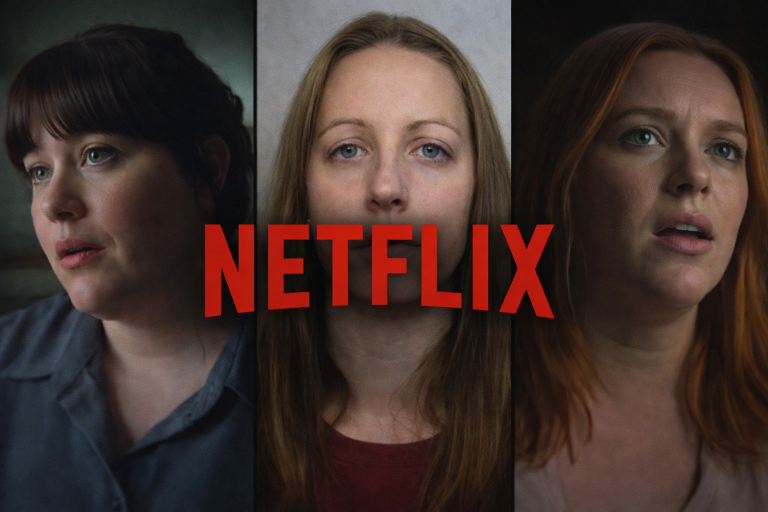
When Netflix released its latest true-crime documentary about Lucy Letby, viewers knew they were in for something devastating.
The case itself is almost unbearable.
But almost immediately after the film premiered, discussion online shifted away from the crimes — and toward something else entirely.
A production choice.
One that many people say made the documentary difficult to watch.
The story everyone came for
Lucy Letby, a former neonatal nurse in the UK, was convicted in 2023 of murdering seven babies and attempting to kill several more while working at the Countess of Chester Hospital between 2015 and 2016.
She is now serving multiple life sentences.
The case horrified the public.
It dominated headlines.
And it became one of the most talked-about criminal trials in recent British history.
Naturally, when Netflix announced a deep dive featuring interviews with people connected to the tragedy, expectations were enormous.
Then viewers noticed something wasn’t quite right
As interviews unfolded, audiences began focusing less on what was being said — and more on who was saying it.
Or rather, how they looked while saying it.
The faces on screen moved.
They blinked.
They formed expressions.
But to many viewers, they didn’t look real.
Because they weren’t.
Netflix didn’t blur — they rebuilt
Instead of putting witnesses in shadow or disguising them with old-school editing tricks, Netflix chose a newer method.
Artificial intelligence.
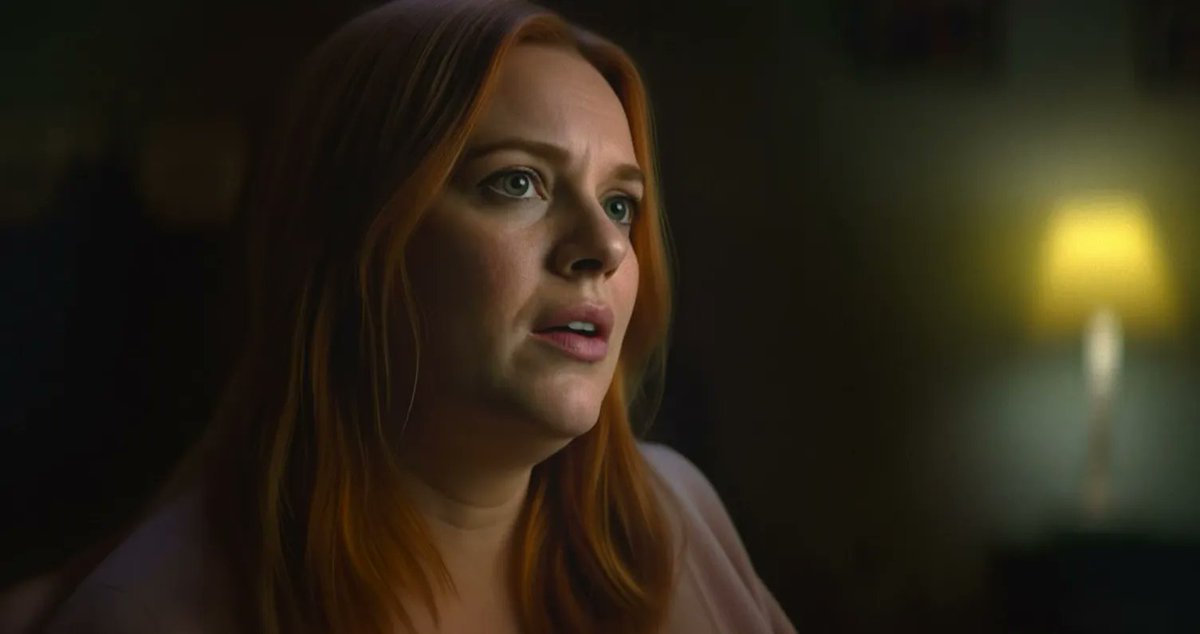
Several contributors were digitally altered. Their facial features were modified. Their voices were adjusted. Even some photographs were reportedly changed.
At the beginning of the documentary, a disclaimer warned audiences that identities had been disguised.
Still, when people saw the result, surprise turned into debate.
“I can’t stop staring at it”
On Reddit, TikTok, and X, similar reactions kept appearing.
Viewers said they found themselves distracted.
Instead of absorbing emotional testimony, they were trying to figure out what felt off.
Some compared the effect to a video game cutscene.
Others said it looked like a deepfake.
A few described the people as wax figures.
For critics, the technology landed right in the uncomfortable middle ground — realistic but not human.
And in a documentary about real grief, that felt wrong.
Also it gets worse because they retrofitted AI faces onto old photos?? Literally who asked for this. If someone can’t trust whether an image is real why would they trust you to correctly present the facts? pic.twitter.com/sCsnBXuRpF
— Ella Dorn 唐棠 (@elladorn_) February 9, 2026
Why it bothered people so much
True crime relies heavily on emotional connection.
A trembling lip.
A pause before someone speaks.
Tears forming.
If those details don’t feel authentic, audiences can lose immersion fast.
Several viewers argued that the artificial look created distance instead of empathy.
They said they would have preferred a black silhouette or even text on screen.
Anything but a digital face trying to simulate humanity.
Some went further
A number of critics questioned whether using AI in such a sensitive story crossed a line.
If Netflix could afford large-scale production, they argued, why not hire actors for reconstructions?
Why rely on software?
To them, it felt like technology for the sake of technology.
@lucyfairall not sure what to make of it #fyp #aiactor #lucyletby #netflix #foryou ♬ Yacht Club – MusicBox
But others defended it
Not everyone hated the approach.
In fact, some viewers believed Netflix may have been trying to solve a long-standing documentary problem.
Blurring and distortion can make people feel anonymous — almost faceless.
AI, supporters argue, keeps emotion visible.
You still see eyebrows move.
You still see pain.
You still see someone struggling to speak.
Even if the surface is artificial, the feeling might be real.
A few people admitted it was strange — but understandable.
There’s also the privacy question
The crimes surrounding Letby affected families who have already lived through unimaginable trauma.
Protecting their identities isn’t optional.
So filmmakers walk a tightrope:
Show too much → risk exposure.
Hide too much → lose connection.
Netflix clearly gambled that digital disguise would balance both.
Whether that gamble paid off depends on who you ask.
Meanwhile, conversation exploded
Videos analyzing the AI faces racked up views.
Comment sections filled with arguments.
Some viewers said the decision ruined the experience.
Others accused critics of focusing on the wrong thing and ignoring the victims.
It became one of those rare internet debates where nobody agreed — but everybody had an opinion.
And now the film carries two reputations
One: a disturbing account of horrific crimes.
Two: a lightning rod for the ethics of AI in storytelling.
Whether Netflix expected that second headline is another question.
The divide is clear
For some, digital anonymity felt futuristic and respectful.
For others, it felt cold, artificial, and out of place in a human tragedy.
But either way, people are talking.
And that conversation isn’t slowing down.
Here’s what viewers are saying
“Digitally anonymised” = AI slop in a fucking documentary. You can’t write it. USE ACTORS. PAY HUMANS. #TheInvestigationofLucyLetby
— jodie (@__jodie___) February 4, 2026
The use of AI in the new Netflix documentary is so distractingly unsettling… I’m not sure I can finish the film. #TheInvestigationofLucyLetby
— Bailey Wild-Maaaaan (@BailsWildman) February 5, 2026
Why did they use these weird AI people for the victim’s parents in the Lucy Letby documentary, it’s so distracting! Just use actors ffs #TheInvestigationofLucyLetby
— Sabrina ✨ (@sabrinajaine) February 4, 2026
This AI is garbage. We want real testimonies from victims thats willing to participate in the process. #TheInvestigationOfLucyLetby
— Ken (@Kendollsaid) February 10, 2026
I genuinely don’t understand why they decided to use AI for these accounts, if witnesses were always going to provide statements, just digitally alter their voices and put them in a dark room like we used to? #lucyletbynetflix #TheInvestigationofLucyLetby
— busayo 🌻 (@BusayoMatuluko) February 4, 2026
one of my parents was watching it and i happened to walk in the room and they had no idea it wasn’t a real person… we’re in hell.
— ryan #FreePalestine 🍉 (@yoshismachbike) February 7, 2026
Some are saying the opposite
It’s a real witness .. only the face was changed to protect her identity. It’s a deepfake version of blurring the face. An actress is pointless as this needs to be the actual person with actual memories. Blurring the face won’t help the audience connect. Safety was paramount.
— mrstevens (@kreativekow) February 6, 2026
Comment
by u/My_immortal_7 from discussion
in netflix
Comment
by u/My_immortal_7 from discussion
in netflix
0 Comments