

When the Navy removes a ship’s commanding officer, the announcement usually fits in a few sentences.
But the meaning can echo for years.
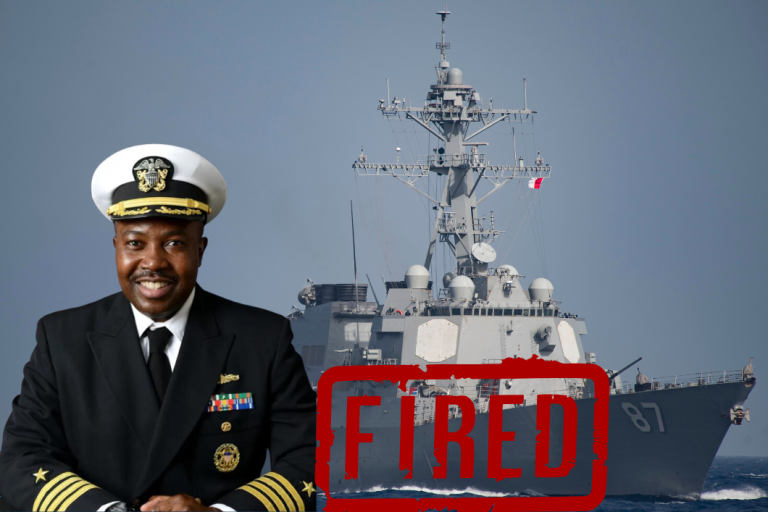
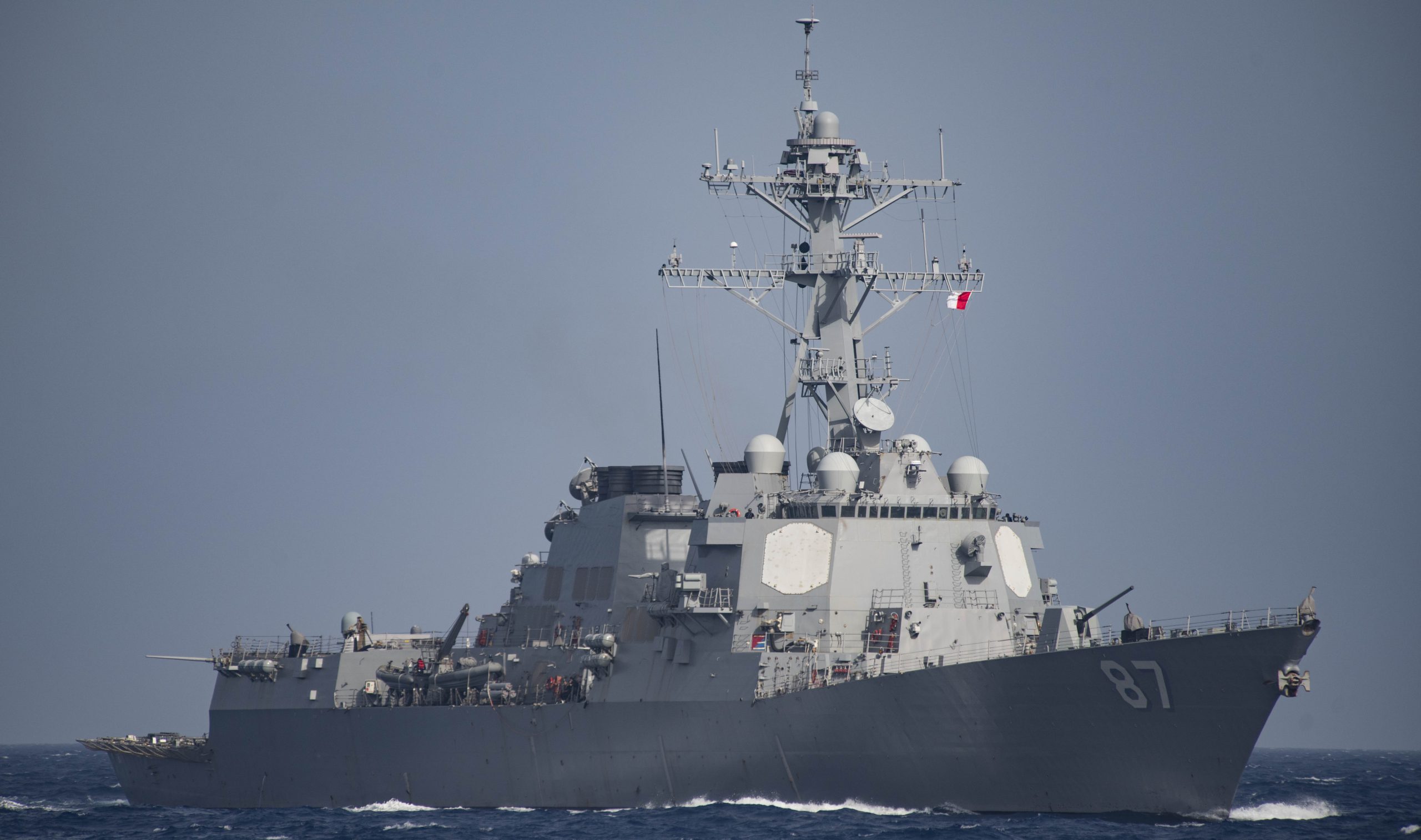
On Feb. 13, the service confirmed that Capt. Chavius G. Lewis had been relieved of duty aboard the guided-missile destroyer USS Mason. The decision, made by Rear Adm. Alexis Walker, cited a familiar phrase:
“Loss of confidence in the ability to command.”
No additional details followed.
For those outside the military, the wording can sound vague, almost bureaucratic. Inside the fleet, however, it carries enormous weight.
More Than Just a Job Change
Command at sea is not simply a management role.
A captain holds responsibility for hundreds of sailors, complex combat systems, millions of dollars in equipment, and missions that can carry national consequences. The position represents the peak of decades of training, evaluation and trust.
When the Navy removes a commanding officer, it signals that trust has broken.
That break might stem from performance issues, lapses in judgment, or concerns about leadership climate. It does not automatically mean criminal behavior. But it does mean senior leaders believe change must happen immediately.
And immediately is the keyword.
Why Timing Matters
At the moment of the relief, USS Mason was participating in COMPTUEX, the Composite Training Unit Exercise. It is one of the most demanding certifications a ship and strike group completes before deployment.
The exercise pushes crews into high-stress scenarios designed to test warfighting readiness. Teams rely on rhythm, predictability, and confidence in leadership.
Replacing the captain in the middle of that process can feel like changing a pilot during turbulence.
A new commander must absorb information fast, evaluate crew performance, and establish authority while the ship continues operating at tempo.
The mission does not pause.
What Sailors Feel
Official statements often emphasize continuity. The ship remains mission capable. Operations continue.
Both things are true.
But life aboard a warship is intensely personal. Sailors notice changes instantly. Leadership style affects everything from how mistakes are corrected to how communication flows.
For some crew members, the relief reinforces accountability. Standards apply to everyone, including the captain.
For others, uncertainty creeps in, especially when the Navy cannot publicly share details.
Speculation fills gaps.
And speculation can distract from mission focus.
The Career Reality
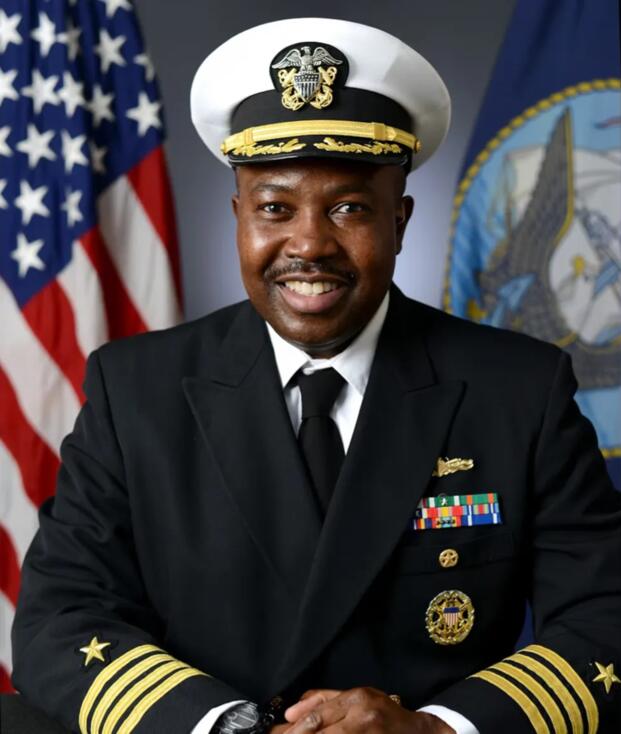
Very few officers ever command a destroyer. Those who do usually spend more than twenty years working toward that moment.
Being relieved is therefore not just a reassignment. It often reshapes the remainder of a career.
Future promotions, major billets, and long-term prospects can narrow dramatically.
Within the Navy, everyone understands that.
Which is why the phrase carries such gravity.
Institutional Stakes
The Navy has emphasized accountability repeatedly in recent years. Operational demands remain high. Global tensions continue to rise. Expectations for leadership are uncompromising.
Captains must demonstrate competence, judgment, and the ability to maintain a healthy command climate.
When senior leaders conclude that those standards are not being met, they act.
The decision protects readiness. It also sends a message across the fleet.
What Happens Now
Capt. Kevin Hoffman has taken command.
Training continues. Watches stand. Engines turn. The ship moves forward.
Warships are built for continuity. Crews adapt quickly because they must. A new captain’s early days focus on restoring rhythm, building trust, and keeping sailors centered on execution rather than uncertainty.
That process begins the moment the announcement is made.
Beyond the Headline
To the public, the story may read like a brief personnel change.
To those in uniform, it represents something deeper: the fragile nature of command authority and the immense responsibility that comes with it.
The removal of a commanding officer always begins with accountability.
What follows is resilience.
USS Mason will continue training. Sailors will continue preparing for the missions ahead. Under new leadership, the expectation remains the same as it has always been at sea:
Professionalism. Discipline. Readiness.
If additional information becomes available, the Navy has said it will provide updates.
Until then, two words will continue to carry the story.
Loss of confidence.
0 Comments