

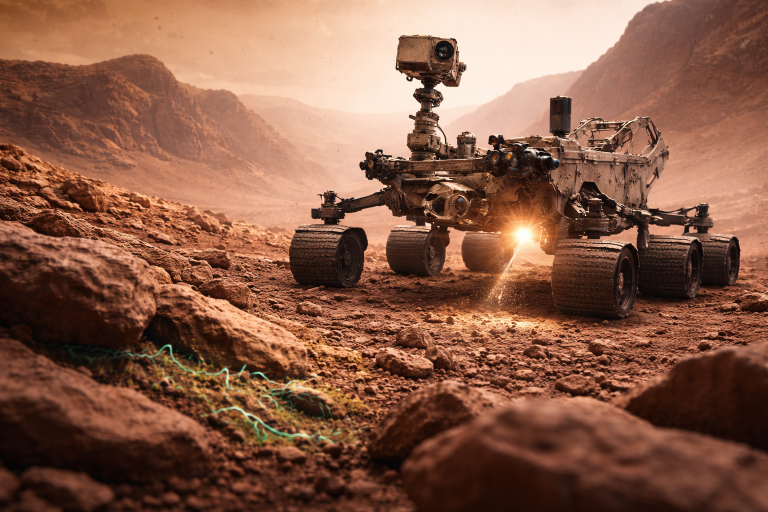
For decades, Mars has been the ultimate cosmic tease.
Dry riverbeds. Ancient lake basins. Minerals that form in water. Every few years, the Red Planet hands scientists another clue that whispers, “Maybe… just maybe.”
Now, thanks to NASA’s Curiosity rover, researchers are staring at evidence that is becoming increasingly difficult to explain away without at least considering one uncomfortable possibility:
Life might have been there.
Not a declaration. Not proof.
But the excuses are getting thinner.
What Curiosity Actually Found
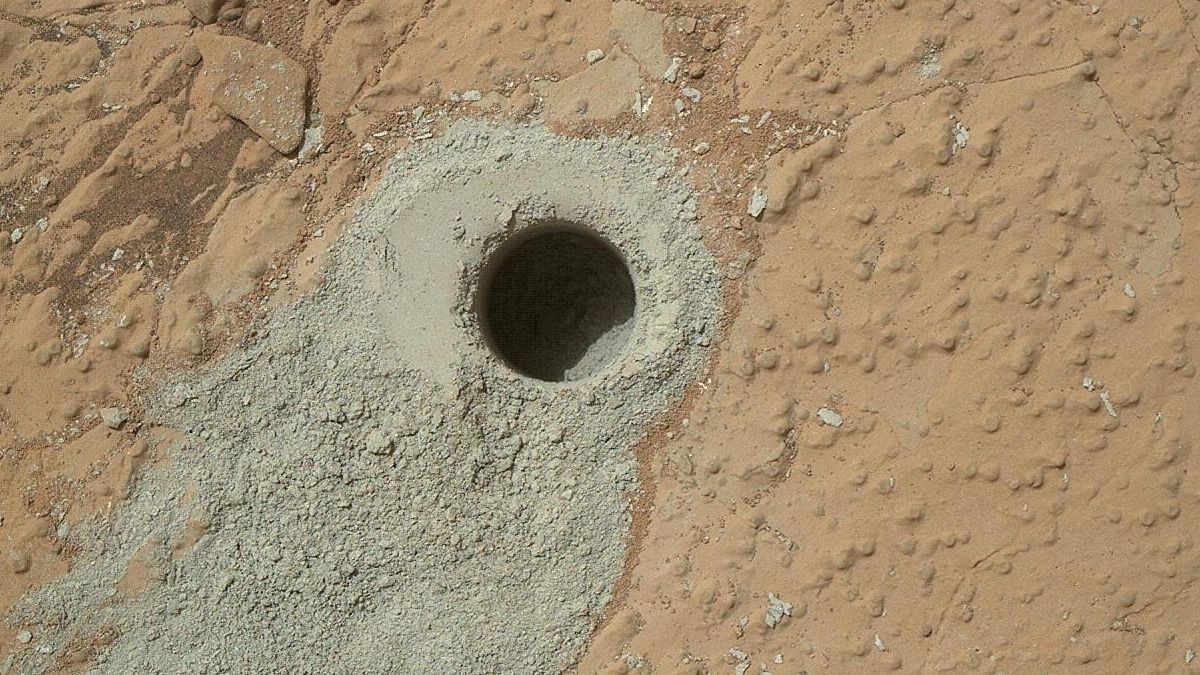
While drilling into what used to be the bottom of an ancient lake, Curiosity detected long-chain organic molecules known as alkanes.
On Earth, molecules like these are often associated with fatty acids — key ingredients in the membranes that surround living cells. In other words, they’re the kind of chemistry life likes to use.
Important note: organic molecules are not life. They can be created without biology.
But here’s where things get weird.
Mars has spent hundreds of millions of years getting blasted by intense radiation after losing most of its protective atmosphere. That radiation should shred delicate compounds like these over time.
Yet somehow, they’re still there.
Scientists Tried to Explain It Without Life
In a new study, researchers led by scientists at NASA Goddard Space Flight Center asked a simple question:
If radiation destroyed so much of the original material, how much had to be there in the first place?
Answer: a lot.
Possibly far more than typical non-biological processes can comfortably account for.
The team evaluated the usual suspects. Meteorites. Carbon-rich dust. Geological reactions. They stacked them together, ran the numbers, and tried to build a scenario where nature could make that amount of material without organisms.
It didn’t really work.
As the authors put it, the concentrations “cannot be readily explained” by abiotic (non-life) sources alone.
Translation:
We tried very hard to avoid saying “biology,” and biology is still sitting there in the room.
Before Anyone Yells “ALIENS!”
Let’s slow down.
No one is claiming microbes. No fossils. No skeletons waving from a crater.
Scientists are extremely cautious here — because they’ve been burned before, and because extraordinary claims really do require extraordinary evidence.
There could still be unknown chemical or geological pathways that we simply haven’t discovered yet. Mars is different from Earth. Weird stuff happens.
And the researchers openly admit that proving life would require multiple independent lines of evidence, not just one intriguing chemical signature.
Still… This Is Big
Even with all the caution tape, this finding matters.
Why?
Because every time scientists attempt to explain Mars without life, and the math keeps nudging them back toward biology, the probability landscape changes a little.
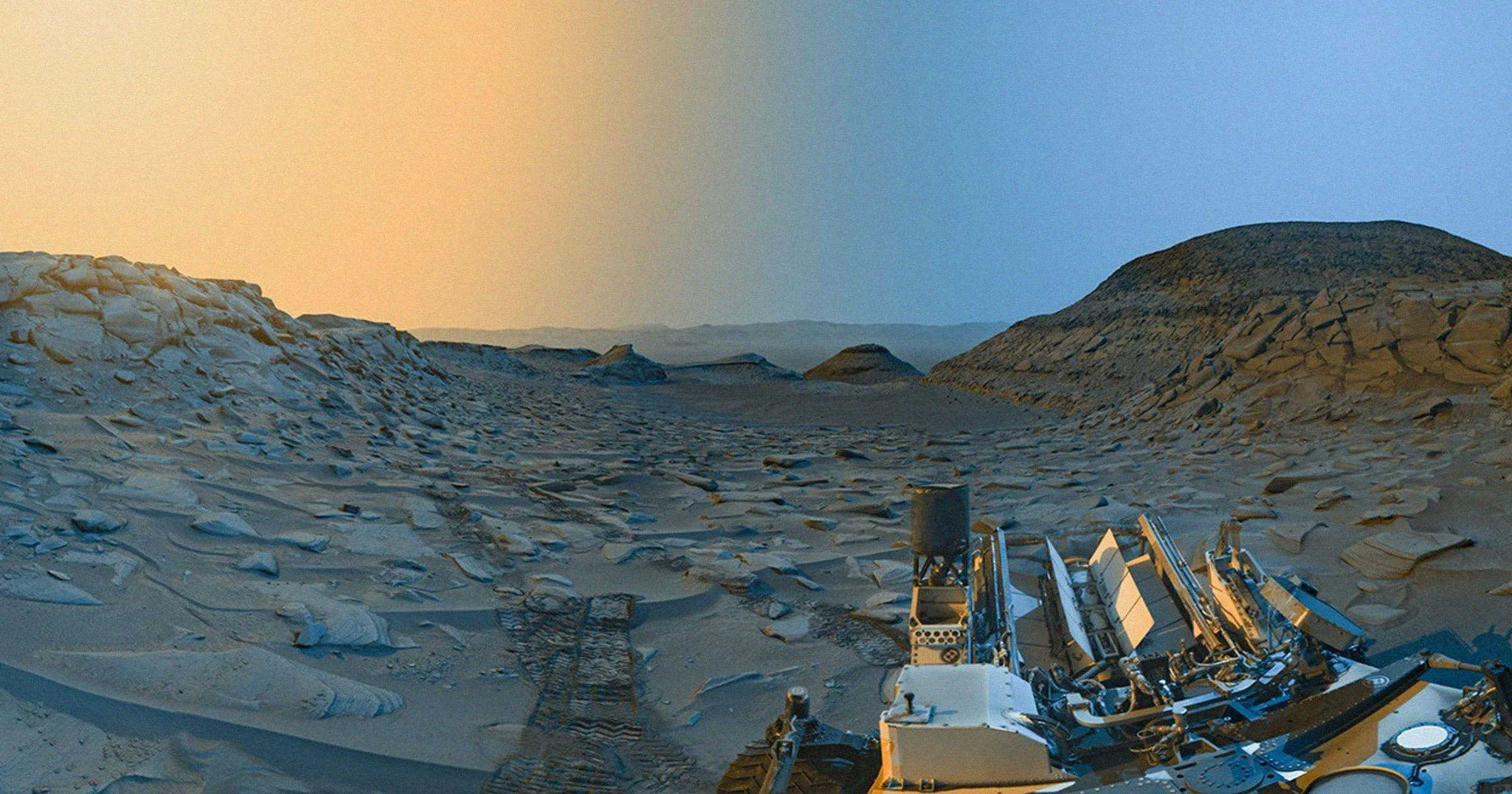
Mars once had oceans, rivers, rainfall, shorelines — conditions that look suspiciously friendly to microbes. If life ever gained a foothold, chemical fingerprints might be exactly what it left behind.
What Curiosity is telling us is that those fingerprints may be harder to erase than we thought.
The Long Game
We are not at a verdict.
We are at a waypoint.
But it’s another moment where the Red Planet forces researchers to say,
“Okay… if not life, then what?”
And right now, the alternatives are starting to run short.
0 Comments