

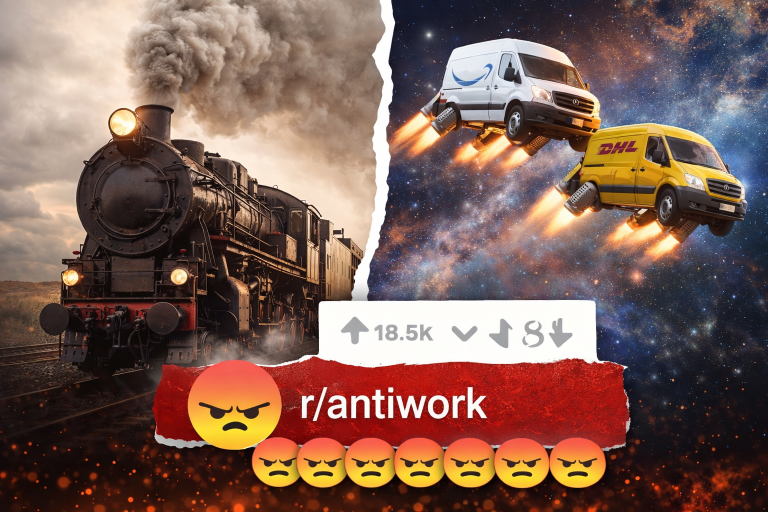
If you had “SpaceX turns into a 1920s railroad company” on your 2026 bingo card, please come forward to collect your prize, because the universe has officially jumped the shark.
In a move that has legal experts scratching their heads and labor activists screaming into their pillows, the U.S. government has officially decided that SpaceX—the company currently building giant stainless steel towers to colonize Mars—is technically an airline. And because it’s an airline, it’s now going to be regulated under a law originally written for steam engines and coal cars.
Yes, you read that right. Elon Musk just pulled off the ultimate legal “pro-gamer move,” and the implications for the future of work in the stars are, well, astronomical.
The Plot Twist We Didn’t See Coming
If you haven’t followed the legal drama (fair, who has time?), SpaceX has locked into a high-stakes wrestling match with the National Labor Relations Board (NLRB). The NLRB acts as the government’s watchdog for worker rights. It steps in when companies block union efforts or fire people for raising concerns.
Recently, the board turned up pressure over some fired employees. Musk didn’t just fight the charges. He sued the entire NLRB and argued that the board itself is unconstitutional.
Then came the pivot.
Instead of only battling the board, SpaceX claimed the NLRB shouldn’t control them at all. Why? Because they aren’t a regular employer. They say they are a common carrier by air.
And the U.S. government looked at a Falcon 9 rocket and basically said, “Sure.”
From Mars Missions to Railway Rules
By gaining the “common carrier” label, SpaceX jumped out of the National Labor Relations Act (NLRA) and landed inside the Railway Labor Act (RLA).
You might think, a law is a law, right? Not quite.
Lawmakers designed the Railway Labor Act in 1926 to keep trains moving. If rail workers struck, the country stopped eating. To prevent disaster, the law makes strikes and rapid union action extremely difficult. It requires mediation, federal involvement, and cooling-off periods that can drag on for years.
In short: a company’s dream. A union’s nightmare.
By reclassifying, SpaceX built a legal fortress around its labor system. Anyone who wants to organize must now follow rules built for the Great Depression, not the Space Age.
Why This Is Actually A Genius (And Terrifying) Move
Elon Musk champions a famously hardcore work culture. Reports describe people sleeping on factory floors and pushing through ultra-high intensity demands. At SpaceX, leadership treats the mission as sacred. If you want Mars, Musk argues, you can’t stall progress with traditional labor fights.
From a business angle, this is a masterclass in future-proofing.
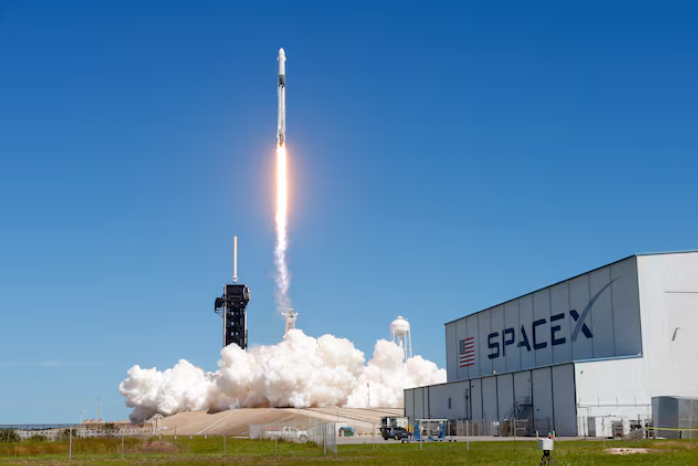
As SpaceX grows in space tourism and expands contracts with NASA to ferry astronauts to the International Space Station, the company positions itself as the United Airlines of the stratosphere.
If they qualify as an airline, they gain airline protections. They can push back on labor authorities by citing national security and essential infrastructure. That strategy helps ensure rockets keep flying, even if the workforce wants to protest.
The Internet Is Not Happy
The news hit Reddit’s r/antiwork like a solar flare. The consensus? Most people feel like this sets a dangerous precedent. If a rocket company can call itself a railroad to bypass labor laws, what’s stopping Amazon from calling its delivery vans “mail ships” to avoid the same thing?
The irony isn’t lost on anyone. We are using 100-year-old laws to govern the most advanced technology humanity has ever created. It’s like trying to run Windows 11 on a literal toaster.
Labor advocates argue that this effectively strips SpaceX workers of their most basic bargaining power. In the NLRA world, if you’re treated unfairly, you have a relatively direct path to seeking justice. In the RLA world, you’re stuck in a bureaucratic maze where the “end of the tunnel” is usually just more paperwork.
What Happens Next?
This decision is more than just a win for SpaceX; it’s a roadmap for the entire private space industry. You can bet your bottom Bitcoin that Blue Origin (Jeff Bezos) and Virgin Galactic (Richard Branson) are currently calling their lawyers to ask, “Hey, can we be trains too?”
We are entering a new era of “The Wild West,” but in space. As private companies take over roles previously held by the government (like transportation to the ISS), they are successfully lobbying to change the definitions of what a “company” even is.
If you’re a SpaceX engineer, you might be working on the most exciting project in human history, but you’re now doing it under the same legal framework as a 1920s caboose operator. It’s a strange, brave new world where the stars are the limit, but the rules are stuck in the age of steam.
SpaceX has proved that if you can’t win the game, you can just change the rulebook. And right now, Elon Musk is holding the only copy of the rules.
What do you think? Is SpaceX genuinely an “airline” because it carries cargo and people, or is this just a clever way to keep workers from having a seat at the table?
Source: Reddit
Posts from the antiwork
community on Reddit
0 Comments