

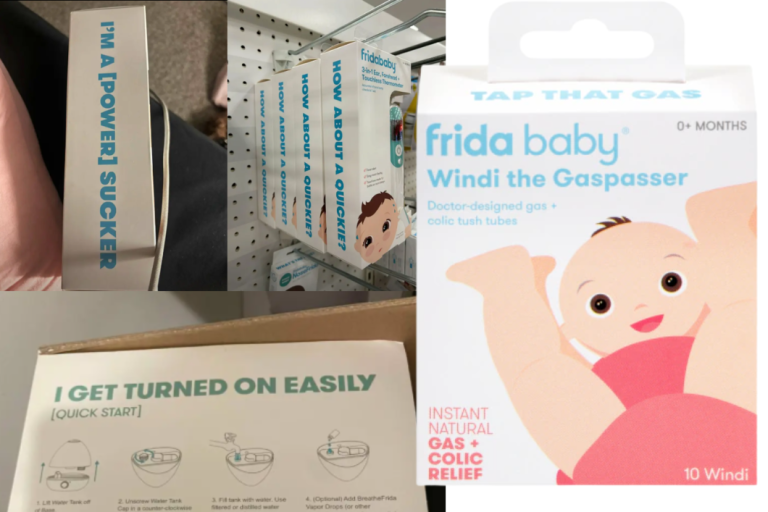
A baby thermometer probably shouldn’t make anyone blush.
But this week, thousands of parents online say one popular brand crossed a line — and now a wave of backlash is spreading fast.
Screenshots of old packaging and advertisements from FridaBaby have resurfaced on social media, sparking accusations that the company used adult humor in ways many families find inappropriate for products meant for infants.
Some users call it edgy marketing.
Others call it disgusting.
And the internet is very much divided.
The Posts That Lit the Match
X/staystaystace
The controversy reignited after several images began circulating on X and parenting forums. In them, everyday baby-care items appeared alongside cheeky phrases that critics say leaned too far into sexual innuendo.
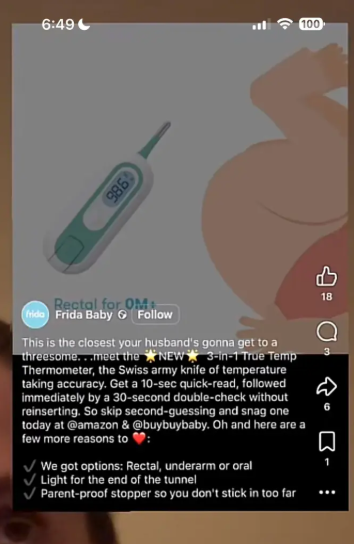
One thermometer box allegedly featured the line:
“This is the closest your husband’s gonna get to a threesome.”
X/staystaystace
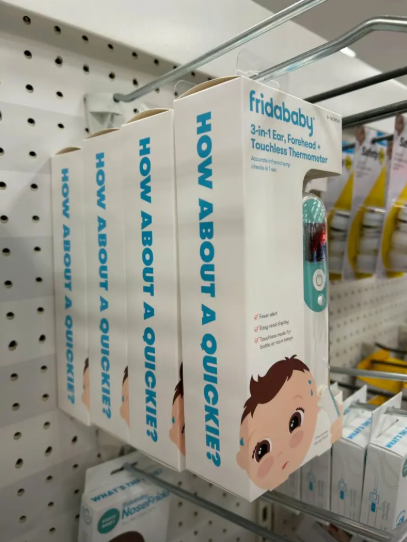
Another product reportedly asked:
“How about a quickie?”
X/staystaystace
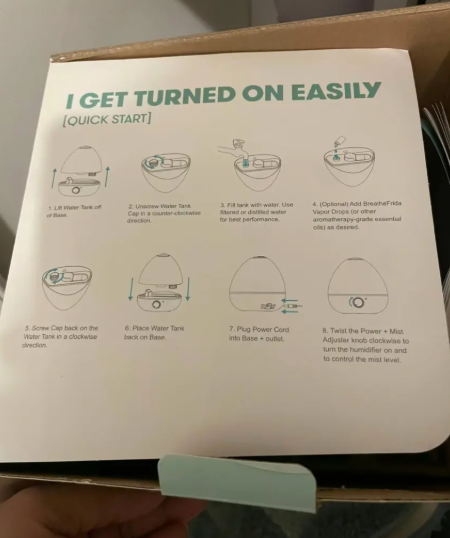
A humidifier’s quick-start guide included a heading that read:
“I get turned on easily.”
To some, it looked like the kind of wink-wink humor exhausted adults might chuckle at.
To others, it felt wildly out of place.
Outrage Builds Fast
Reaction online was immediate and intense.
“Sexual jokes to market baby products is sick and twisted,” one user wrote in a viral post that racked up millions of views. “This is absolutely appalling.”
Calls for boycotts soon followed.
On parenting forums, some users argued the company had gone too far in its attempt to stand out in a crowded baby-gear market. A few said brands should make parents feel supported, not uncomfortable.
One commenter put it bluntly:
“What is wrong with the world? Have we really gotten to the point where anything is acceptable if it gets attention?”
Another said companies pushing boundaries for laughs risk losing trust with the very families they rely on.
Old Ads, New Anger
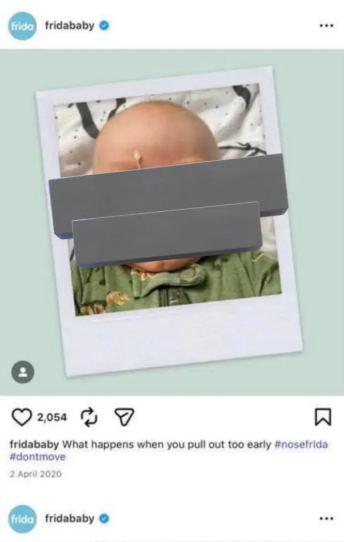
As the discussion grew, more examples surfaced.
One widely shared screenshot — allegedly from a 2020 social media post — showed a baby with a runny nose next to a caption critics felt was in poor taste. Though the image no longer appears on official pages, it fueled further frustration.
High-profile figures joined the conversation too, urging parents to rethink supporting the brand.
For many, the situation felt less like humor and more like a failure of judgment.
But Not Everyone Is Mad
At the same time, a large group of parents pushed back.
Some questioned whether the viral images were real, noting they couldn’t find them on official channels. Others argued the jokes were clearly meant for adults, not children.
And many admitted they actually appreciated the levity.
Having a newborn, they said, can be overwhelming, exhausting, and messy. If a package makes you smirk during a 3 a.m. diaper emergency, maybe that’s not the worst thing.
One parent explained it this way:
“Those jokes feel like a wink to the adult version of me — like I didn’t disappear completely into motherhood.”
Another compared the tone to animated movies that sneak in humor parents understand while kids remain oblivious.
Still, even some defenders admitted that comedy is personal. What feels harmless to one family might feel uncomfortable to another.
Why It Matters
Parenting brands trade heavily on trust.
Mothers and fathers bring these products into their homes, nurseries, and daily routines. When controversy erupts, emotions run high because the relationship between company and customer feels intimate.
Critics argue that when marketing misses the mark, it can break that bond quickly.
Supporters counter that a little irreverence might make tough moments easier.
Where Things Stand Now
As debate continues, one thing is clear:
People are paying attention.
Whether the language represents clever adult humor or a step too far depends entirely on who you ask — and social media shows no sign of settling the argument anytime soon.
What do you think?
Is this harmless marketing aimed at tired parents, or should baby brands steer clear of anything that could be seen as suggestive?
0 Comments