

In the streaming era, prestige is plentiful but attention is scarce. A series can earn glowing reviews, passionate word of mouth and even perfect critic scores, yet still struggle to dominate the cultural conversation.
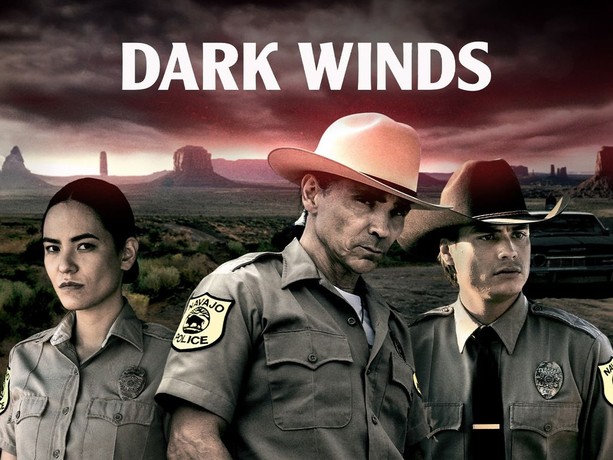
That paradox is playing out again with Dark Winds. The psychological thriller, adapted from Tony Hillerman’s beloved Leaphorn and Chee novels, arrives on Netflix with something most shows would kill for: a flawless 100% critics’ rating for its fourth straight season.
And yet, the numbers suggest the audience wave hasn’t fully followed.
Critical love, consistent excellence
Set in the 1970s Four Corners region of the American Southwest, the series follows Navajo Tribal Police officers Joe Leaphorn and Jim Chee as they untangle crimes that often brush against spiritual and cultural fault lines.
Season four adapts The Ghostway, sending Chee from a violent incident on the reservation into a widening investigation that stretches toward Los Angeles, forcing him to balance tradition, identity and the pull of the modern world.
Reviewers have raved. Critics highlight higher stakes, deeper character work and a production that has grown more confident each year. Many say this is the show at its absolute peak.
But praise alone does not guarantee mass attention anymore.
The search gap problem
Despite the perfect Rotten Tomatoes score, online interest appears softer than during previous premieres.
Data from Google Trends indicates global search volume for the series is running far below where it stood when season three debuted last year. At that time, curiosity spiked dramatically. This week, momentum has been noticeably quieter.
It is a strange reality: one of the best-reviewed shows on television returning better than ever, yet fighting for oxygen.
Why quality is not enough anymore
There are several forces working against even elite programs.
Volume.
Netflix alone releases a relentless flow of originals, acquisitions, reality hits and international breakouts. Add competitors and the release calendar becomes overwhelming.
Fragmented fandoms.
Viewers now cluster into niche communities rather than gathering around a handful of mega-series.
Algorithmic discovery.
If a show doesn’t immediately trigger recommendation engines, it can slip from casual view fast.
Delayed adoption.
Many audiences wait until a full season is available before committing, meaning buzz can lag behind reviews.
A long runway still ahead
There is also reason to believe the story isn’t finished.
Episodes will roll out across the coming weeks, giving the series time to build momentum. Strong social chatter, standout performances or a viral moment can flip perception quickly.
We have seen sleeper hits erupt late before.
Prestige vs popularity
What makes the situation fascinating is what it says about modern television economics.
A generation ago, a 100% score from critics would almost guarantee attention. Now it might simply mean a show has secured respect within a crowded field.
Prestige has become common currency. Visibility is the rare asset.
The upside for viewers
Ironically, this dynamic can benefit audiences.
When shows like Dark Winds fly slightly under the radar, they remain driven by storytelling and character rather than spectacle pressure. Writers can take risks. Performances can breathe. Worlds can deepen.
For fans who do discover it, the reward is often richer.
The real question
The key issue is not whether season four is good. By most critical accounts, it is excellent.
The question is whether excellence can still cut through in a marketplace where everyone is shouting at once.
If it does, Dark Winds could become one of the great slow-burn success stories of the streaming age.
If it doesn’t, it may stand as proof that in 2026, even perfection needs help being heard.
0 Comments